Author: admin

  • ASIC Miners Dubai for Serious Bitcoin Mining

    For investors evaluating ASIC miners Dubai has become about more than finding the latest machine at an attractive unit price. A miner only earns when it is powered, cooled, connected and maintained. In a market where network difficulty, Bitcoin price and transaction fees can move quickly, the operational decisions around the hardware can have as much impact on returns as the hashrate printed on the specification sheet.

    Dubai offers proximity to experienced mining infrastructure, international logistics and a business environment built for scale. But its climate also makes professional cooling, airflow design and power management non-negotiable. The strongest route is to treat a mining purchase as an infrastructure decision from day one.

    Why ASIC miners in Dubai need an infrastructure plan

    An ASIC is purpose-built hardware. A Bitcoin miner such as an Antminer S21 series unit or WhatsMiner equivalent is designed to perform one hashing algorithm at very high speed, rather than handling a broad range of computing jobs. That focus produces substantial hashrate, but it also produces heat, noise and continuous electrical demand.

    A single air-cooled miner can run at a noise level that is unsuitable for most homes or offices. A larger portfolio requires dedicated electrical capacity, correct racking, extraction or immersion and clear procedures for fault response. Putting units in an unsuitable room because the purchase price looked favourable can quickly turn into avoidable downtime, thermal throttling and shortened component life.

    This is why the headline price of a machine is only one part of Capex. The full economic picture includes shipping, customs handling where applicable, installation, electricity, cooling, monitoring, pool configuration, repair cover and the time required to manage exceptions. For a first-time buyer, managed hosting can replace several unfamiliar operational tasks with one accountable service relationship. For an established operator, it can provide capacity without the delay and capital commitment of building another facility.

    The right model depends on your objectives. A miner with a small portfolio may prioritise straightforward hosting and visibility over every unit. An operator planning 150 machines or more will usually focus on contracted power, deployment schedules, rack density, redundancy, Opex controls and the ability to expand without moving an active fleet.

    Choosing ASIC miners in Dubai

    Start with the coin and algorithm, then work back to the machine. SHA-256 ASICs are built for Bitcoin mining, while other proof-of-work networks require hardware matched to their own algorithms. There is no universal ASIC that is the best choice across every opportunity.

    For Bitcoin-focused portfolios, compare machines on hashrate, joules per terahash, purchase cost, warranty position and expected availability. Efficiency matters because it determines how much electricity is required for each unit of mining output. A newer, more efficient model can be more expensive upfront yet offer better resilience when difficulty rises or Bitcoin’s price falls. Conversely, a lower-cost previous-generation machine may suit a short-term strategy only where power is particularly competitive and its condition is well understood.

    Avoid making the decision from hashrate alone. Two machines with similar TH/s can have meaningfully different power consumption, fan profiles, cooling requirements and repair economics. Ask whether quoted performance is based on a new unit operating within the manufacturer’s specified environment, whether the machine is in stock, and whether the seller has tested it before dispatch.

    Hardware condition also deserves direct attention. New stock normally provides the clearest warranty path and longest expected useful life. Used miners can lower initial Capex, but they require a more disciplined inspection process. Hashboards, fans, power supplies, cable condition and evidence of prior overheat events all affect the actual value of the unit. A low entry price does not compensate for a machine that spends its first month awaiting parts.

    Model the economics before payment

    A useful mining model should show more than an estimated daily revenue figure. Revenue changes with network difficulty, block rewards, transaction-fee conditions, pool fees and the market price of the asset mined. It is better to work through conservative, expected and favourable scenarios than to rely on a single profitability screenshot.

    On the cost side, calculate the machine’s power draw in kW, multiply it by 24 hours and apply the all-in kWh rate. Confirm whether that rate includes power delivery, cooling, operations and any service charges. Also allow for pool fees, downtime assumptions, repair contingency and the cost of moving or reselling equipment if your strategy changes.

    For example, a miner drawing 3.5 kW consumes 84 kWh per day before any site-level overheads. That simple calculation makes electricity pricing tangible and helps investors compare a hardware purchase with a hosted deployment. Transparent pricing is more useful than an unusually low starting number with unclear add-ons.

    Hosting, cooling and uptime are part of the asset

    A professional hosting site should be assessed like any other revenue-critical facility. Ask how electrical capacity is allocated, what happens during a power incident, how miners are monitored, who has physical access, and how faults are reported and resolved. Continuous monitoring is valuable only when there is a team authorised to act on the alert.

    In Dubai, air cooling can work effectively when the facility has engineered airflow, sufficient extraction and disciplined hot-aisle management. It cannot be an afterthought in high ambient temperatures. Poor airflow raises inlet temperatures, puts fans under unnecessary stress and can cause machines to reduce performance to protect themselves.

    Hydro-cooling is increasingly relevant for dense deployments and high-performance units. It can deliver a quieter operation, more controlled thermal conditions and efficient use of space, but it requires compatible hardware and a properly designed water loop. It is not automatically the right answer for every portfolio. The extra infrastructure should be justified by the fleet size, hardware type and performance target.

    Security also belongs in the uptime conversation. Facilities should control physical access, maintain clear asset records and provide a way to identify each customer’s miners. At software level, miners need secure pool settings, reliable connectivity and regular performance checks. A unit that appears online but hashes materially below its expected rate still needs attention.

    What a practical deployment process looks like

    The fastest mining deployments remove handovers between separate hardware vendors, freight agents, electricians and site operators. When those responsibilities are fragmented, fault-finding becomes slower and accountability becomes blurred.

    A well-managed process begins with hardware selection and a written quotation that identifies the model, quantity, expected delivery status and service scope. Next comes the hosting agreement, including electricity terms, payment timing, maintenance responsibilities and conditions for retrieval or relocation. The machines are then received, checked, racked, configured with the chosen mining pool and tested under load before being handed over for active monitoring.

    The target should be rapid activation, not rushed installation. A provider that can deploy eligible machines within 24 hours of payment confirmation gives investors a material advantage, provided the site capacity, hardware availability and onboarding details are already confirmed. Ask for a clear go-live process rather than accepting a broad promise of quick hosting.

    Once live, miner-management software should give the owner practical oversight: hashrate by unit, online status, temperature indicators, pool connection and fault notifications. That visibility matters whether you own two machines or two hundred. It allows an investor to distinguish a market-driven revenue change from an operational issue that requires intervention.

    Build flexibility into the fleet

    Mining is not a set-and-forget asset class. Difficulty changes, hardware generations improve and electricity arrangements need periodic review. A capable operation has a plan for maintenance, redeployment and eventual replacement before these decisions become urgent.

    For smaller portfolios, flexibility may mean choosing hosting with no unnecessary complexity and clear support when a unit needs repair. For larger fleets, it may mean staging purchases, mixing deployment dates to manage Capex, and reserving capacity for more efficient next-generation models. It can also mean deciding in advance which machines would be upgraded first if margins tighten.

    BitHash approaches this as an end-to-end infrastructure requirement: hardware sourcing, managed hosting, monitoring, maintenance and expansion should work as one operating model rather than a collection of disconnected suppliers. That reduces administrative friction and gives the fleet a clearer route from delivery to productive hashrate.

    The most useful question is not simply, “Which miner has the highest hashrate?” It is, “Which hardware and operating setup can remain productive through changing conditions?” Choose the answer with transparent power terms, credible cooling, visible performance data and support that can act when a machine needs attention.
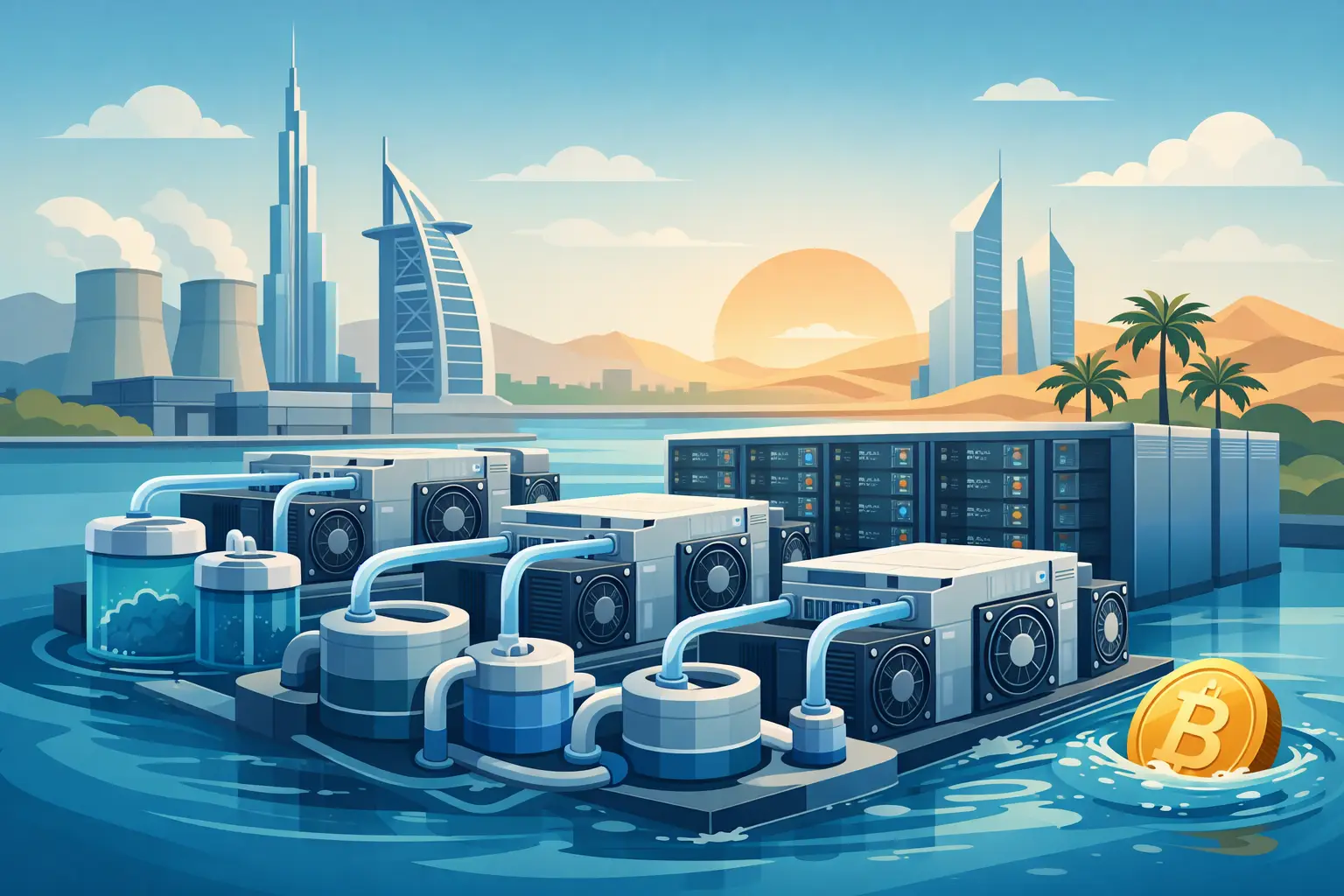

  • AI Infrastructure Dubai Needs More Than GPUs

    A rack of premium GPUs is not AI infrastructure. In Dubai, the difference between a high-performing deployment and an expensive bottleneck is decided long before the first model is trained. AI infrastructure Dubai projects need a practical answer to four connected questions: where power comes from, how heat leaves the facility, how data moves, and who keeps the hardware productive around the clock.

    For investors, operators and businesses planning serious compute capacity, the focus should move beyond GPU availability. Hardware matters, but the facility around it determines utilisation, operating cost and the speed at which capacity can scale.

    Why AI infrastructure in Dubai is a facilities challenge

    AI workloads are changing the economics of data-centre design. Traditional enterprise racks were often designed around modest power draw and predictable workloads. Modern AI servers can demand far more power per rack, generate concentrated heat, and require low-latency networking between machines working on the same training job.

    That changes the planning model. A site with spare floor space is not necessarily ready for AI. It needs enough grid capacity, properly engineered distribution, redundancy matched to the workload, and a cooling architecture that can sustain the expected rack density in Dubai’s climate. Retrofitting these elements after hardware arrives is slow and expensive.

    Dubai offers genuine advantages for regional compute projects: strong digital ambition, international connectivity, an established infrastructure market and a location that can serve customers across the Gulf, Africa, Europe and Asia. Yet ambient heat means thermal engineering cannot be treated as a secondary specification. A design that appears efficient on paper can lose its margin quickly if cooling performance deteriorates during peak conditions.

    The right question is not simply, “Can this building hold GPUs?” It is, “Can it deliver the required compute reliably at the required cost for the next three to five years?”

    Power density sets the real limit

    AI clusters concentrate demand. Depending on the server design, accelerator type and network equipment, a single rack may require multiples of the power used by a conventional IT rack. The exact figure depends on the deployment, but planning must account for present demand and future density rather than working to an average drawn from legacy equipment.

    Start with the full electrical path. Incoming capacity, transformers, switchgear, UPS systems, power distribution units and rack-level delivery all need to be sized as one system. A high-capacity utility connection is valuable only if the downstream infrastructure can deliver that power safely and consistently.

    Redundancy also requires a commercial decision. A customer-facing inference platform with contractual availability targets may justify a higher resilience tier than an internal research environment that can schedule work around maintenance windows. More redundancy increases Capex and can raise Opex, so it should reflect the value of downtime rather than being added by default.

    For operators familiar with ASIC mining, this principle will be familiar. Hashrate is only monetisable when machines have stable power, controlled heat and active supervision. GPU estates have different workload patterns and network requirements, but the same infrastructure discipline applies. Capacity without dependable delivery is not productive capacity.

    Cooling is where ambitious plans meet reality

    Air cooling remains suitable for some AI deployments, particularly at lower rack densities. It can be easier to service and may reduce initial complexity. But as power per rack rises, air cooling can demand larger plant, more fan energy and greater space around the equipment. In a hot climate, those costs and constraints deserve close attention.

    Direct-to-chip liquid cooling removes heat closer to the source and can support significantly denser configurations. It is increasingly relevant for high-performance training clusters, though it introduces new requirements around coolant distribution units, pipework, leak detection, maintenance procedures and hardware compatibility. Immersion cooling can offer another route for specific designs, but it is not a universal answer and can affect servicing workflows, warranty arrangements and component choices.

    The sensible approach is workload-led. A mixed environment running moderate-density inference servers may not need the same cooling investment as a tightly coupled training cluster with the latest accelerators. Designing for a clearly defined density target, with an expansion path, avoids both underbuilding and paying too early for capacity that will sit idle.

    Heat rejection must also be examined as a whole. Chillers, dry coolers, water availability, humidity control, filtration and external temperatures all affect efficiency. The data hall cannot be assessed in isolation from the plant that supports it.

    Measure efficiency beyond a headline PUE

    Power Usage Effectiveness remains useful, but it is not the complete commercial picture. A low PUE does not compensate for poor GPU utilisation, frequent thermal throttling or a network that leaves expensive accelerators waiting for data.

    Operators should track rack power draw, coolant or inlet temperatures, cooling-system energy, accelerator utilisation, job queue times and unplanned downtime together. These figures show whether the facility is producing usable compute, not merely consuming electricity efficiently.

    Network design determines cluster performance

    A single GPU server can perform useful work with ordinary connectivity. Large-scale training cannot. Distributed workloads exchange huge volumes of data and model parameters between servers, making bandwidth, topology and latency central to performance.

    This is why a GPU cluster should be designed from the workload backwards. Training environments often need high-bandwidth, low-latency fabrics and carefully planned east-west traffic. Inference platforms may place greater emphasis on reliable ingress, egress, security controls and geographic proximity to users. Storage architecture matters too: slow data access can leave accelerators idle, regardless of how powerful they are.

    There is a trade-off between building a dedicated, tightly integrated cluster and maintaining a more flexible pool of capacity. Dedicated infrastructure can deliver predictable performance for major workloads. A flexible environment can serve more customers and adapt to changing demand, but it requires strong scheduling, segmentation and operational controls.

    Connectivity beyond the building also matters in Dubai. A regional AI platform may need resilient carrier options, diverse routes and a clear strategy for moving large datasets. Data transfer costs, residency requirements and customer latency expectations should be established before committing to a site or a hardware order.

    Operations turn equipment into an AI service

    The best design still needs disciplined operations. AI hardware is valuable, power-hungry and sensitive to environmental conditions. It needs 24/7 monitoring, controlled access, clear incident escalation and technicians who understand the relationship between electrical, cooling and compute faults.

    Procurement should include more than server pricing. Confirm lead times for GPUs, network switches, spare parts, cooling components and replacement power equipment. A cluster can be delayed by one missing component, while a failed fan, pump or optical module can affect far more capacity than its cost suggests.

    This is where an end-to-end infrastructure partner earns its place. BitHash applies the same hands-on approach used for high-uptime mining operations to infrastructure planning: procurement, deployment, power arrangements, monitoring, maintenance and a defined operational owner. For compute projects, that accountability is more valuable than a room full of hardware with no practical plan for day-two operations.

    Security must be physical and digital. Restricted site access, surveillance and asset tracking protect equipment, while network segmentation, identity controls and logging protect workloads and customer data. Neither side can be delegated away as somebody else’s problem.

    How to assess an AI infrastructure Dubai proposal

    Before signing for colocation, managed capacity or a custom build, ask for evidence rather than broad promises. The most useful proposal identifies committed power availability, power delivered per rack, the cooling method and validated density, redundancy assumptions, expected deployment schedule and the operational team responsible for maintaining the site.

    It should also separate one-off Capex from recurring Opex. Electricity pricing, demand charges where applicable, cooling energy, remote-hands support, connectivity, maintenance and hardware replacement can materially change the total cost of compute. Transparent pricing makes it easier to compare a lower upfront quote with a facility that may deliver stronger uptime and better performance over time.

    For a new deployment, phased capacity is often the smarter route. Start with enough infrastructure to prove demand and workload behaviour, while reserving space, power pathways and cooling expansion for the next stage. For an established operator with contracted demand, a purpose-built deployment may offer better economics and more control.

    AI infrastructure is not a GPU purchasing exercise and it is not a property project. It is an operating system for power, cooling, networking and people. Build around the workload, insist on measurable operating commitments, and choose capacity that can keep performing when the compute demand becomes real.

  • UAE Bitcoin Mining for Serious Mining Operators

    A profitable ASIC is not simply a machine with an impressive hashrate figure on its specification sheet. For UAE bitcoin mining, the real question is whether that machine can run consistently, securely and efficiently through every hour it is switched on. Power arrangements, cooling design, maintenance response and operational visibility determine whether projected revenue becomes actual mined Bitcoin.

    For investors, solo miners and fleet operators, the UAE can be an attractive place to build mining exposure. It offers strong infrastructure, international connectivity and a business environment built around ambitious technical projects. Yet mining economics are never decided by geography alone. A well-run operation depends on the quality of the hosting environment and the discipline behind it.

    Why UAE Bitcoin Mining Is an Infrastructure Decision

    Bitcoin mining is often framed as a hardware purchase. In reality, buying an ASIC is the beginning of a long-term operational commitment. A modern unit may draw several kilowatts continuously, produce intense heat and require stable networking to remain productive. If power quality is inconsistent, airflow is poorly designed or a failed fan is left unattended, the machine can lose valuable mining time quickly.

    This is why serious miners assess UAE bitcoin mining as an infrastructure decision rather than a simple equipment transaction. The machine’s purchase price is Capex. Electricity, hosting, repairs and operational administration sit within Opex. The relationship between those costs and delivered hashrate shapes the return.

    A lower machine price does not automatically create a better result if deployment is delayed or downtime is frequent. Equally, a headline electricity rate has limited value if it excludes material service charges, lacks clarity on billing or comes with insufficient capacity for growth. The goal is not the cheapest line item. It is dependable hashrate at a transparent all-in operating cost.

    The Four Variables That Shape Mining Returns

    Power cost and power quality

    Electricity is the largest recurring cost in most ASIC operations. Miners should look beyond a quoted kWh rate and understand what is included: energy consumption, facility charges, management fees, taxes where applicable, network provision and any minimum commitment. For a larger fleet, it is also sensible to ask whether capacity is backed by a defined electricity arrangement, such as a PPA, and how pricing may change over the contract term.

    Power quality matters just as much. ASICs need a properly engineered electrical system with adequate distribution, protection and load management. A facility that has capacity on paper but inadequate deployment design can create avoidable interruptions. Before committing capital, establish the rated capacity available now, the path to additional megawatts and the process for commissioning machines.

    Cooling built for the climate and the fleet

    Heat is an operational cost. In hot conditions, poor thermal management can force machines to reduce performance, increase fan wear or shut down to protect themselves. That affects output precisely when a miner needs steady uptime.

    Air-cooled hosting can work well when the data centre has sufficient ventilation, filtration, layout and heat extraction. It is often the straightforward choice for smaller portfolios or standard installations. However, as fleet density rises, hydro-cooling can offer a different operating profile: more controlled temperatures, reduced noise and the potential for higher-density deployment. It also requires specialist equipment, water-loop design and a provider capable of maintaining the system properly.

    There is no universal answer. Air cooling may suit a miner prioritising simplicity and accessible hardware service. Hydro-cooling may make greater commercial sense for operators planning dense, industrial-scale capacity. The decision should follow the machine model, facility design, local conditions and scaling plan.

    Uptime is measured in response time

    Every offline hour is lost opportunity. Mining difficulty, Bitcoin price and transaction-fee conditions move constantly, but a stopped machine does not participate in any of them. That makes 24/7 monitoring and a clear maintenance workflow core commercial requirements, not optional extras.

    A hosting provider should be able to identify a drop in hashrate, distinguish between a network issue and a hardware fault, and act without waiting for the owner to notice. Ask how alerts are handled, who has authority to reboot or repair a unit, what spares are held on site and how repairs are documented. For a fleet operator, these details can have a larger financial effect than small differences in headline hosting rates.

    Preventive maintenance also matters. Dust management, firmware checks, fan inspections, cable reviews and hashboard diagnostics reduce the chance that minor issues become prolonged outages. The best facility teams treat maintenance as a continuous process, not a reaction after machines fail.

    Visibility protects the investment

    Managed mining should not mean blind mining. Owners need access to meaningful operational data: online status, hashrate, consumption where available, worker performance, maintenance records and payout information. Miner-management software gives an investor a practical view of whether the portfolio is performing as expected.

    This visibility is especially useful when building from a few machines to a fleet. It helps operators compare models, identify recurring faults and decide whether to reinvest, replace older equipment or shift capacity. Clear reporting also makes conversations about billing, uptime and repairs far more productive.

    Choosing ASIC Hardware for the Job

    The newest ASIC is not always the correct ASIC. A high-efficiency model can reduce power consumption per terahash, but its acquisition cost may be higher and delivery availability may differ. A previous-generation unit may have a lower entry price, but can become less competitive if energy pricing is high or network difficulty rises.

    A practical purchase decision starts with efficiency, expressed in joules per terahash, then considers total hashrate, purchase cost, expected delivery date, cooling format and repairability. It should also account for the mining pool strategy and the operator’s risk appetite. No provider can guarantee profitability because Bitcoin price, difficulty and fees remain variable. What a good infrastructure partner can do is ensure the operational assumptions are realistic.

    For first-time miners, a smaller initial order can be a sensible way to understand reporting, billing and payout cycles before scaling. For established businesses, standardising around compatible models can simplify spare parts, technician training and fleet management. The best route depends on whether the priority is controlled entry, maximum efficiency or rapid capacity growth.

    What to Verify Before You Deploy

    Before funding hardware or signing a hosting agreement, confirm the commercial and operational detail in writing. A professional provider should answer direct questions without vague promises. Focus on the issues that affect production and cost:

    • The exact ASIC model, condition, warranty position and expected deployment timeline.
    • The full electricity and hosting price, including any additional fees and billing frequency.
    • Facility location, security controls, monitoring coverage and authorised access procedures.
    • Cooling method, operating conditions and the provider’s approach to seasonal heat.
    • Uptime reporting, maintenance turnaround, repair pricing and replacement-part availability.
    • The process for scaling capacity, relocating equipment or exiting the service.

    Regulatory and commercial obligations can differ by activity, facility and ownership structure. Miners should obtain appropriate professional advice on licensing, tax, customs, contractual and compliance requirements before deployment. This is particularly relevant for companies importing hardware, operating dedicated capacity or structuring mining activity across multiple jurisdictions.

    Hosted Mining Versus Building Your Own Site

    Building a private mining data centre gives an operator greater control over design, procurement and long-term infrastructure strategy. At sufficient scale, it may be the right decision. It also brings substantial responsibility: site selection, grid arrangements, electrical engineering, cooling systems, physical security, staffing, spare-parts logistics and continuous operations.

    Hosted mining shifts much of that complexity to a specialist team. It can reduce the time between purchasing hardware and earning hashrate, while allowing the owner to focus on portfolio decisions instead of day-to-day facility management. The trade-off is that the hosting contract becomes central to the investment, so the provider must be assessed with the same care as the ASIC itself.

    For many investors, the practical route is to start with managed hosting and scale once the operating model has proved itself. For larger clients, a dedicated facility or custom data-centre build may offer the control and capacity required for a long-term programme.

    BitHash approaches this as an end-to-end operational service: ASIC sourcing, deployment, hosted operations, monitoring, repairs and infrastructure planning are handled through one accountable team. That matters when fast deployment and clear ownership of operational issues are more valuable than juggling multiple suppliers.

    The strongest UAE mining operation is rarely the one with the loudest profitability projection. It is the one built around honest power economics, capable cooling, disciplined maintenance and enough visibility to make confident decisions as conditions change.

  • Best ASIC Miner Hosting UAE: What to Check

    A low quoted hosting rate can look excellent until the first curtailment, repair bill or unexplained offline machine. Finding the best ASIC miner hosting UAE option is not about choosing the lowest advertised price. It is about choosing an operating environment that protects uptime, gives you clear control over Opex, and can keep pace when your mining portfolio grows.

    For a single ASIC, the difference between a capable host and a weak one may appear manageable. For a fleet, small gaps in monitoring, power quality, cooling and response times become material. Every hour of avoidable downtime removes hashrate from the network and puts pressure on ROI.

    What best ASIC miner hosting UAE should deliver

    The UAE is a serious location for miners who value business access, physical security and infrastructure-led operations. But the climate changes the hosting equation. High ambient temperatures mean a site needs more than warehouse space and a few extraction fans. It needs a properly engineered power and cooling design, active operational oversight, and a team that treats every miner as revenue-producing infrastructure.

    A hosting provider should be able to explain exactly where your machines will run, how power is supplied, how heat is removed, what happens during a fault, and who is accountable for each part of the operation. Vague promises about “high uptime” are not enough. Ask for the operating process behind the claim.

    The right provider also separates hardware procurement from infrastructure performance without making the customer manage two different businesses. If you are buying machines and arranging hosting at the same time, the provider should coordinate sourcing, logistics, racking, commissioning and activation. That reduces handovers, prevents compatibility issues, and gets your hashrate live sooner.

    Start with electricity terms, not the headline rate

    Electricity is usually the largest ongoing cost in ASIC mining. A quoted kWh figure only has value when you know precisely what it includes. Some rates bundle power, cooling, space, management and maintenance. Others quote electricity first and add service charges, pool fees, repair labour or administration later.

    Ask whether the price is fixed, indexed, or subject to review. If it is indexed, establish the reference point, the review period and any ceiling. A transparent agreement should state the billing currency, minimum commitment, payment timing, deposit requirement and what happens if an invoice is late.

    You should also clarify whether you are billed against estimated consumption or measured usage. Modern ASICs may have a stated power draw, but actual consumption can shift with firmware settings, environmental conditions and operating mode. Metered, itemised reporting gives you a cleaner view of fleet economics.

    For experienced operators, it is worth asking about the underlying power arrangement. A provider with a credible supply strategy and clear capacity planning is in a stronger position to support long-term deployment than one relying on short-term, uncertain availability. Cheap power that cannot support your next 100 machines is not a scalable advantage.

    Cooling is a revenue issue in the UAE

    Heat is not merely a comfort issue for mining equipment. It affects stability, fan wear, hashboard health and the ability to run equipment at its intended performance. In a UAE facility, cooling architecture deserves the same scrutiny as the power contract.

    Air-cooled hosting can be effective when intake, filtration, airflow and extraction are engineered for the load. The key question is whether the facility can maintain appropriate operating conditions during the hottest periods, not only on a mild day. Ask how the site monitors inlet and outlet temperatures, whether it uses containment, and how it handles dust.

    Hydro-cooling can offer a stronger path for high-density deployments and suitable ASIC models. It can reduce noise, improve thermal consistency and support more concentrated hashrate, but it is not automatically the best choice for every portfolio. Hydro systems require specialist infrastructure, water-loop management and technicians who understand the equipment. The commercial case depends on your machine type, density, Capex and operating goals.

    A serious host will recommend a cooling approach based on your fleet rather than push every customer into the same configuration. That advice matters most when you are deploying new-generation, high-wattage miners at scale.

    Measure uptime by operations, not marketing

    No data centre can credibly promise that no component will ever fail. The meaningful question is how quickly faults are detected, isolated and resolved. Uptime depends on power redundancy, network design, spare parts, environmental control, security and the people on site.

    Ask a prospective host how it defines downtime. Does the figure include planned maintenance? Is it calculated at facility level or per machine? Can you see the status of each miner in real time? A broad statement about site availability tells you little if several of your units are offline awaiting attention.

    The operational workflow should be clear. Monitoring should flag a hashrate drop or temperature exception quickly. A technician should inspect the machine, identify whether the issue is network, PSU, fan, cable, control board or hashboard related, and record the action taken. For a large fleet, that discipline is more valuable than generic reassurance.

    Remote miner-management software is equally useful. It gives investors and operators visibility over hashrate, worker status, temperatures, consumption and fault patterns without requiring a daily visit to the site. You should not need to chase a support team for a basic answer about whether a miner is online.

    Security and access need practical detail

    ASICs are portable, valuable and often deployed in volume. Physical security must extend beyond a locked door. Look for controlled access, CCTV coverage, visitor procedures, inventory tracking and clear chain-of-custody processes from delivery to rack position.

    There is also a commercial security element: ownership records. Your contract should identify your machines by serial number or a clear asset register, set out who can authorise repairs, and explain the process for collection or relocation. These details become especially important when managing a fleet on behalf of multiple investors or a corporate balance sheet.

    Network security matters too. Mining equipment should be segmented and managed in a way that limits unauthorised access and reduces the risk of configuration changes affecting production. This is not a theoretical concern. A poorly controlled fleet can lose revenue before a physical technician notices a problem.

    Review maintenance before you need it

    Every ASIC fleet needs a maintenance plan. Fans fail, PSUs degrade, control boards fault and hashboards require diagnosis. The difference between a manageable event and a prolonged loss is whether the host has the technical capability, spare-part access and approval process to act quickly.

    Before signing, establish whether basic diagnosis is included, what repair labour costs, how replacement parts are priced, and whether you approve non-routine work in advance. Ask where repairs take place. Sending a machine elsewhere can be appropriate for complex work, but it may add logistics time and leave valuable hardware unproductive.

    A good provider will give you fault visibility rather than hide behind broad service language. You should receive a clear record of the unit, issue, proposed remedy, cost and expected turnaround. Transparent maintenance protects trust and helps you recognise recurring fleet-level issues early.

    Choose a host that can match your next move

    Your hosting needs may change quickly. A first-time miner may begin with one or two machines and want a plug-and-mine experience. A professional operator may be planning phased deliveries of 50, 150 or more units. The best arrangement is one that works at your current scale without forcing a disruptive migration later.

    Discuss capacity before you buy hardware. Can the provider reserve space for your next batch? Can it support different ASIC models, air-cooled and hydro-cooled deployments, or a dedicated area for a larger fleet? If you want to control your own mining pool configuration, firmware policy or reporting structure, check that this is supported from day one.

    Deployment speed is also commercially relevant. Hardware sitting in transit or awaiting installation is capital without output. BitHash, for example, combines ASIC sourcing with UAE-based hosting, monitoring and technical support, allowing eligible deployments to go live within 24 hours of payment confirmation. The point is not the slogan. It is the integrated operational model behind it: fewer handovers mean fewer delays.

    Questions worth asking before you commit

    Use your provider conversation to get direct answers to the issues that drive mining performance:

    • What is included in the kWh price, and which charges sit outside it?
    • How are machine-level consumption, uptime and faults reported?
    • What cooling design supports the facility during peak UAE temperatures?
    • Who performs diagnostics and repairs, and what are the approval and turnaround procedures?
    • How quickly can my miners be received, installed, configured and mining?

    A provider that answers these clearly is showing operational maturity. One that avoids specifics is asking you to accept risk you cannot price.

    The strongest hosting decision is usually the one that makes the next 12 months easier to operate, not merely the next invoice cheaper. Choose the partner that can account for every watt, protect every serial-numbered asset, and keep your hashrate working while you focus on the portfolio decisions that matter.

  • How to Buy Antminer S21 XP Hydro in the UAE

    For investors looking to buy an Antminer S21 XP Hydro in the UAE, the machine price is only one part of the decision. This is a high-performance hydro-cooled ASIC built for serious Bitcoin mining output, and it needs the right power arrangement, water-cooling infrastructure and operational support to deliver the returns its hashrate suggests.

    A poorly planned purchase can leave valuable hardware waiting for compatible hosting capacity. A properly structured purchase can move from payment confirmation to active mining quickly, with monitoring, maintenance and electricity management handled under one accountable operating model.

    Why the S21 XP Hydro changes the buying conversation

    The Antminer S21 XP Hydro sits in the latest generation of Bitcoin ASIC hardware. It is designed to deliver very high hashrate with materially stronger efficiency than older air-cooled fleets. That efficiency matters because electricity remains the largest operating expense for most miners. A more efficient machine can retain a better margin when Bitcoin difficulty rises, the BTC price moves or power costs increase.

    But hydro hardware is not simply an air-cooled miner with a different connector. It is part of a cooling system. The miner requires a correctly engineered water loop, appropriate flow and pressure, filtration, heat rejection capacity and continuous oversight. The right facility can support this operating profile at scale. The wrong environment can introduce avoidable downtime, temperature issues and maintenance costs.

    That is why a buyer should assess the full deployment path before committing Capex. The relevant question is not just, “What does the miner cost?” It is, “What will this unit produce after electricity, hosting, downtime risk and support requirements are accounted for?”

    Buy Antminer S21 XP Hydro UAE capacity, not just hardware

    When you buy an Antminer S21 XP Hydro in the UAE, secure compatible capacity alongside the machine. This removes the gap between delivery and deployment, which is where many mining plans lose momentum.

    A hydro-hosting arrangement should clearly state what is included. That normally covers rack space, electrical infrastructure, cooling-loop connection, network access, security, monitoring and routine operational response. It should also establish the electricity pricing model, whether pricing is fixed or variable, the billing cycle and how any additional service charges are treated.

    For a single unit or a small portfolio, managed hosting reduces the need to build specialist infrastructure independently. For a fleet buyer, it creates a cleaner route to scale because the cooling and power design is already aligned with the hardware class. The objective is simple: keep the machines hashing consistently while giving the owner visibility of performance and costs.

    UAE-based infrastructure can be especially valuable for buyers who want local access to hardware and support without operating a mining site themselves. However, location is only useful when it is matched with reliable power, engineered cooling and an experienced operations team. Heat is not a minor consideration in this market. It is central to the facility design.

    Check the delivered specification for your batch

    Manufacturers may issue machines in different production batches or configurations. Before payment, confirm the quoted hashrate, power draw, efficiency rating, form factor, required voltage and water-loop requirements for the exact unit being supplied.

    Do not base an investment model on a headline figure alone. A difference in hashrate or wattage across a larger order changes daily revenue and Opex. Ask for the technical specification, serial-number process, warranty terms and expected availability. If you are buying several machines, request a clear deployment schedule rather than accepting a vague shipping window.

    Model profitability with operating reality

    Mining profitability changes daily. Bitcoin price, network difficulty, transaction-fee conditions, pool performance, machine uptime and electricity cost all affect the result. No responsible provider should present a fixed income outcome as guaranteed.

    A useful model starts with the unit’s expected hashrate and efficiency, then applies a realistic uptime assumption. From there, subtract electricity consumption, hosting fees, pool fees and any contingency allowance for maintenance. For a portfolio, include the cost of capital and the period between payment and first hash. Rapid deployment matters because a miner that is powered off earns nothing while network difficulty continues to move.

    It also helps to run three cases: a conservative case with higher difficulty and lower BTC pricing, a base case using current conditions, and an upside case. This approach gives investors a clearer view of risk than relying on a single daily-profit estimate.

    The S21 XP Hydro can be compelling where competitive kWh pricing and strong uptime are available. It may be less suitable where only air-cooled capacity is available, water infrastructure is uncertain or the buyer needs a machine that can operate in a simple standalone setting. Hardware selection should follow the operating environment, not the other way round.

    What a reliable hydro-hosting partner should handle

    Hydro miners earn best when the operator removes operational friction before it becomes downtime. That begins with installation and commissioning, but it continues throughout the machine’s working life.

    A capable provider should manage secure receiving, inspection, deployment, network configuration and connection to the cooling loop. Once live, the facility should monitor hashrate, temperatures, consumption and machine status around the clock. Any underperforming unit should be identified quickly, diagnosed and repaired through a defined process.

    For fleet owners, reporting matters as much as response time. You need a clear view of active machines, total hashrate, downtime events, power consumption and maintenance status. Miner-management software provides that operational layer, particularly when the portfolio grows beyond a handful of units.

    Security also deserves attention. ASICs are high-value, portable assets. Physical access controls, surveillance, inventory records and controlled maintenance procedures protect both the equipment and the investor’s ability to verify where it is operating.

    BitHash approaches this as an infrastructure service rather than a hardware handover. That means coordinating sourcing, deployment, hosting, monitoring and after-sales support so clients can focus on portfolio performance instead of chasing separate suppliers.

    Questions to settle before payment

    Before placing an order, establish the delivery date, the hardware specification and the deployment commitment in writing. Confirm whether the quoted price includes VAT where applicable, logistics, installation, hosting setup and any initial support charges. These details affect the actual landed cost of the machine.

    You should also ask how warranty support works in practice. A manufacturer warranty has limited value if the repair path is unclear or the machine must be shipped elsewhere for assessment. Local technical support, spare-part access and an agreed repair process can reduce the financial impact of a fault.

    For hosted machines, clarify who controls the mining-pool configuration and payout wallet. The owner should retain clear visibility and control over these settings. It is also sensible to understand the facility’s planned maintenance windows, uptime approach and escalation process for hardware alerts.

    Finally, match the purchase size to your operating strategy. A first-time buyer may prefer one or several units in managed hosting to understand the economics before scaling. A professional operator may prioritise dedicated hydro capacity, negotiated electricity terms and phased deployment for a larger fleet. Both approaches can work, provided the infrastructure plan matches the investment horizon.

    Turn a hardware purchase into an operating asset

    The Antminer S21 XP Hydro is built for miners who want high-output, efficiency-led Bitcoin exposure. Its performance potential is real, but it depends on what happens after the invoice is paid: competent installation, stable power, correct cooling, active monitoring and fast maintenance response.

    Choose a purchase and hosting structure that makes those conditions part of the plan from day one. The strongest mining investment is not the machine with the biggest advertised number. It is the machine that goes live quickly, stays online and is supported well enough to keep earning through changing market conditions.

  • Hydro ASIC Hosting UAE for High-Density Mining

    Hydro ASIC Hosting UAE for High-Density Mining

    A hydro-cooled ASIC can turn a limited rack footprint into serious hashrate capacity, but only when the facility is designed to support it. Hydro ASIC hosting UAE is not simply standard miner hosting with water pipes added. It is a specialist operating model built around liquid loops, heat exchange, power density, water quality and engineers who can keep every component performing under continuous load.

    For investors running a few high-performance units, hydro hosting can remove a large amount of operational complexity. For fleet operators, it can be the difference between constrained expansion and a properly engineered deployment. The return still depends on Bitcoin price, network difficulty, machine efficiency and electricity cost. Cooling alone does not make a mining operation profitable. What it does is give modern, high-density hardware the conditions it needs to operate consistently.

    Why Hydro ASIC Hosting Is Different

    Air-cooled miners use fans to push heat away from hashboards. This approach is familiar, comparatively simple and well suited to many deployments. Yet the newest high-output machines produce substantial heat in a compact physical space. As fleet density rises, air cooling demands more airflow, larger clearances and greater attention to hot-aisle containment.

    Hydro ASICs replace much of that fan-driven heat removal with liquid cooling. Coolant circulates through the miner, carrying heat to a heat exchanger where it can be rejected safely. The result is tighter temperature control, less dependence on high-speed fans and the potential to deploy more hashrate per rack or container.

    That potential matters in a UAE facility. Ambient temperatures place real demands on any mining site, particularly during hotter months. A properly specified hydro system gives the operator more control over the thermal environment than a basic ventilation-led set-up. It does not eliminate the need for engineering. It makes engineering more central to the hosting decision.

    The Operational Case for Hydro-Cooled Fleets

    The strongest argument for hydro cooling is normally density. Where a customer wants to add meaningful hashrate without expanding the building footprint at the same pace, hydro infrastructure can support a more compact arrangement. This is especially relevant for professional operators working with dedicated capacity, custom container projects or data-centre deployments.

    Temperature stability is the second major advantage. ASICs perform best when operating within their intended thermal range. Excess heat can trigger throttling, alarms, avoidable component wear and downtime while faults are investigated. Hydro systems can maintain more consistent inlet temperatures across a fleet when the pumps, loops and heat-rejection equipment are correctly sized.

    Noise is also materially lower at the miner level because hydro units do not rely on the same volume of high-speed fan activity. This does not make a mining facility silent: pumps, heat exchangers and supporting equipment still generate sound. It can, however, make site planning more manageable where acoustic conditions matter.

    For large operations, lower fan demand may reduce a portion of auxiliary power consumption. The scale of the benefit varies by miner model, coolant temperature, site design and local conditions. It should be evaluated as part of total facility PUE and Opex, rather than treated as a guaranteed saving on every deployment.

    What a Hydro Hosting Facility Must Get Right

    A hydro miner is only as reliable as the infrastructure surrounding it. Before committing capital, miners should look beyond advertised hashrate and ask how the host manages the full cooling chain.

    Heat rejection and redundancy

    The facility needs enough heat-exchange capacity to handle the fleet at full load, including realistic seasonal conditions. It also needs sensible redundancy in pumps, power distribution and control systems. If one circulation pump or exchanger failure can affect an entire deployment, the risk profile is very different from a design with backup capacity and clear isolation zones.

    Water and coolant management

    Liquid loops require disciplined maintenance. Water quality, filtration, corrosion protection, pressure and leak detection all affect long-term reliability. Poorly maintained coolant can create scaling or corrosion issues that do not appear immediately but can damage performance and increase repair costs over time.

    Ask whether the system is closed-loop, how often fluids are tested, who monitors pressure and flow, and what happens if an abnormal reading appears at 02:00. A credible hosting provider should have a defined response process, not a vague assurance that the site is monitored.

    Power delivery at high density

    Hydro hosting allows more machines in less space, which means each rack, busway and distribution board can carry more load. The electrical design must match the density. This includes circuit protection, cable sizing, metering and the capacity to isolate equipment without taking a wider fleet offline.

    Transparent electricity pricing is just as important as electrical engineering. Miners should understand the kWh rate, any service charges, the billing basis, minimum commitments and whether the price reflects a fixed tariff, a PPA-backed structure or a variable arrangement. A low headline rate means little if the terms are unclear.

    Monitoring that leads to action

    Remote visibility should cover more than a pool dashboard. A serious hydro deployment benefits from miner-level hashrate monitoring alongside inlet and outlet temperatures, flow rate, pressure, pump status and power consumption. Data only creates value when someone is accountable for responding to it.

    The best operating model combines automated alerts with technicians who can inspect a unit, reseat connections, replace a failed component and return the miner to service quickly. For an owner, that means less time chasing updates and more confidence that downtime is being actively managed.

    Is Hydro ASIC Hosting UAE Right for Your Operation?

    Hydro hosting is not automatically the best option for every miner. A solo buyer with one or two machines may find an air-cooled hosting package more accessible, particularly if the chosen ASIC model is fan-cooled and available capacity is standardised. The key question is not whether hydro technology is more advanced. It is whether its advantages justify the machine choice, hosting rate and deployment model.

    Hydro cooling becomes more compelling when you are purchasing hydro-native ASICs, building a meaningful fleet, prioritising high-density capacity or planning to scale in stages. It can also suit investors who want premium hardware operated under controlled conditions without building their own thermal and electrical infrastructure.

    There is a Capex consideration too. Hydro miners and their compatible hosting environments may carry a different initial cost profile from air-cooled alternatives. Evaluate the complete picture: purchase price, delivered hashrate, watts per terahash, hosting tariff, expected uptime, repair pathway and resale liquidity. A lower initial machine price can be less attractive if it leads to poorer efficiency or constrained capacity later.

    Questions to Ask Before You Deploy

    Before placing an order, confirm that the hosting provider supports your exact miner model and firmware configuration. Ask for the expected deployment timeline after payment confirmation, the commissioning process, access to miner-management software and the procedure for approving repairs or replacing failed parts.

    For larger fleets, request clarity on dedicated versus shared infrastructure. Dedicated capacity may offer greater control and expansion certainty, while shared hosting can provide a faster route to active mining at a smaller starting commitment. Neither is universally better. The right structure depends on your fleet size, investment horizon and appetite for fixed commitments.

    Security deserves the same attention as cooling. Your hardware should be protected through controlled site access, surveillance and documented asset tracking. Insurance arrangements, serial-number records and procedures for shipping units in and out of the site should be straightforward to verify.

    From Purchase Order to Active Hashrate

    The value of managed hydro hosting is operational continuity. Hardware sourcing, international logistics, installation, electricity arrangements and maintenance are separate disciplines. When they are fragmented across multiple suppliers, delays and accountability gaps can eat into the time a miner should be earning.

    A single infrastructure partner can simplify that chain. BitHash supports ASIC procurement and managed hosting with UAE-based operational support, allowing customers to move from hardware selection to live deployment without coordinating every technical hand-off themselves. For experienced operators, this creates a clearer path to scaling. For new miners, it removes the need to become a cooling engineer before owning their first ASIC.

    Hydro cooling is a performance tool, not a shortcut. Choose it when the facility, hardware and commercial terms are aligned, then judge the provider on its ability to keep your fleet online long after installation day.

  • Choosing an ASIC Miner Supplier in Dubai

    Choosing an ASIC Miner Supplier in Dubai

    A search for “asic miner supplier dubai” can return pages of machines, hashrate figures and attractive headline prices. That is only the start of the decision. An ASIC is a revenue-producing asset that needs stable power, suitable cooling, secure installation, monitoring and rapid technical intervention when performance drops. The supplier you choose determines far more than the price on the invoice.

    For a single Bitcoin miner, a poor procurement decision can turn a straightforward investment into weeks of delays and unexpected operating costs. For a fleet, the same weakness becomes a material Capex and Opex risk. The right partner should make the route from payment to active hashrate clear, accountable and commercially transparent.

    What an ASIC miner supplier in Dubai should actually provide

    A hardware reseller can sell a miner. An infrastructure partner can help you operate one continuously. The distinction matters because modern ASIC mining is not a plug-and-play retail purchase, particularly when machines are hosted away from your own premises.

    Start with the equipment itself. A credible supplier should identify the exact model, hashrate range, power draw, efficiency rating and expected delivery condition. For example, two machines with similar advertised hashrate may have very different joules-per-terahash figures, affecting electricity costs throughout their operating life. The newest generation is not automatically the best choice either. It may command a higher purchase price, while a slightly older model may offer a more favourable payback period at your available kWh rate.

    Then ask what happens after the sale. Is hosting available? Who arranges delivery, racking, networking and pool configuration? How is uptime measured? What is included in monitoring, and what triggers a technician visit? These are operational details, but they directly affect realised output.

    A capable Dubai-based provider should also understand the practical value of regional access. Local equipment inspection, support and hosting coordination can reduce handovers compared with buying hardware through a distant intermediary and trying to assemble separate logistics, repair and hosting arrangements afterwards.

    Do not assess a miner on purchase price alone

    The lowest machine price can be expensive if it comes with unclear provenance, long deployment delays or no route to service. Mining economics are driven by productive hashrate over time, not by a low initial quote.

    Before committing, model the total deployed cost. This should include the miner, shipping or local logistics, installation, hosting setup where applicable, electricity, pool fees, management fees and an allowance for maintenance. Ask whether stated rates include VAT or any other charges that may apply to your transaction. If power is priced separately, establish whether the rate is fixed, variable or linked to a power purchase agreement.

    Your calculation also needs realistic assumptions. Bitcoin price, network difficulty, transaction-fee conditions and miner uptime all change. A supplier who presents a fixed daily profit figure without explaining the assumptions is giving you marketing, not an operating forecast. A better approach is to test several scenarios: a conservative case with higher difficulty and lower uptime, a base case, and an upside case.

    Efficiency has a compounding effect

    Power is normally the largest recurring cost in ASIC mining. That makes efficiency central to any comparison. A unit drawing less energy for each terahash can remain competitive for longer, especially when difficulty rises or market conditions tighten.

    However, efficiency is not the only variable. Hydroelectric or hydro-cooling-compatible models may make sense for high-density facilities, but the hosting environment must be designed for them. Air-cooled miners can offer simpler deployment and maintenance, while hydro-cooled fleets can support greater density and more controlled thermal performance. The correct choice depends on fleet size, facility design, power price and expansion plans.

    Questions that expose supplier quality

    A serious supplier should welcome due diligence. You are not just buying a serial-numbered device. You are trusting an operator with an asset that must run around the clock.

    Ask where machines are sourced and whether they are new, used or refurbished. If units are pre-owned, request clarity on operating history, condition checks and any warranty coverage. Confirm the expected lead time from payment confirmation to installation, rather than accepting a broad delivery estimate. Fast deployment matters because idle capital earns no hashrate.

    You should also establish who owns each step in the chain. If a machine arrives damaged, who handles the claim? If a control board fails, is there an in-house repair path? If performance falls below normal tolerance, how will you be notified and how quickly will action be taken? Vague answers at this stage usually become costly later.

    For hosted operations, request a clear view of the facility model. The essentials are physical security, 24/7 monitoring, network stability, cooling capacity and transparent electricity billing. It is reasonable to ask how planned maintenance is communicated, what level of downtime is typical, and whether you can view your miners through management software.

    Hosting terms deserve the same scrutiny as the hardware

    Many investors focus heavily on the ASIC model and treat hosting as an administrative add-on. In reality, hosting can make or break net returns. A strong machine in a poorly managed site is still a weak investment.

    Read the agreement for minimum terms, notice periods, service inclusions and rules around machine removal or relocation. Check whether electricity is charged on measured consumption, a fixed all-in rate, or another structure. There is no single best model: an all-in price offers simplicity, while a transparent pass-through arrangement may suit operators who want closer visibility of energy costs. What matters is understanding the formula before the fleet is switched on.

    Clarify maintenance responsibilities as well. Fans, power supply units, hashboards and control boards do not fail at the same rate, and repair costs can vary widely by model. Find out whether diagnostic work is included, whether replacement parts are billed separately, and whether the provider holds relevant spares. A facility that can diagnose and return a machine to service quickly protects your productive hashrate.

    Visibility turns hosting into an operating advantage

    You should be able to see what your capital is doing. Good miner-management software provides visibility of individual machine status, hashrate, temperature, power consumption and alerts. It does not remove market risk, but it gives investors and fleet managers the information needed to respond to operational issues quickly.

    For larger portfolios, reporting should support practical decisions: which units are underperforming, whether a firmware setting is producing the expected efficiency, and when repair versus replacement is commercially sensible. This level of oversight becomes increasingly valuable as a portfolio moves from a handful of miners to hundreds.

    Choose a supplier that can scale with your plan

    Your first order should not force you into a provider that cannot support your next one. Some miners want a managed entry point with one or two units. Others are planning phased deployments, dedicated racks or a purpose-built data centre. Both need a supplier that can match the service level to the plan without making promises beyond its capacity.

    For smaller buyers, the priority is usually a zero-hassle route to live mining: sound model selection, known hosting costs, secure deployment and responsive support. Larger operators need procurement capacity, predictable logistics, bulk pricing structures, detailed reporting and a clear escalation process. Institutional clients may also require support around facility design, electrical infrastructure, cooling strategy and capacity planning.

    BitHash approaches this as a full mining infrastructure decision, combining ASIC sourcing with hosting, maintenance and operational support. That model can reduce the number of counterparties an investor needs to manage, but the principle applies to any provider: accountability should not disappear once payment is received.

    A practical way to make the final decision

    Shortlist suppliers based on operational evidence, not polished claims. Compare written equipment specifications, deployment timing, power pricing, hosting terms, monitoring access and repair procedures side by side. If one quote appears materially cheaper, identify exactly what is excluded before treating it as a saving.

    It is also sensible to begin with a measured deployment if you are entering a new hosting relationship or testing a new ASIC generation. A smaller initial batch lets you assess communication, reporting accuracy and real operating performance before expanding. For established fleet operators, a staged rollout can achieve the same purpose while keeping capital deployment disciplined.

    The best supplier relationship is one where your questions become easier as your fleet grows, not harder. Choose the partner that can show how your miners will be sourced, powered, monitored and maintained – then make the purchase decision based on productive hashrate, not the headline price.

  • Bitcoin Mining Data Centre UAE Operations

    Bitcoin Mining Data Centre UAE Operations

    A bitcoin mining data centre UAE investors can depend on is not simply a warehouse filled with ASICs. It is a power, cooling and operations platform built to keep high-value hardware producing hashrate through extreme heat, network events and the ordinary wear of 24/7 operation. For a single-machine buyer and a fleet operator alike, the difference between mining hardware and a functioning mining business is the quality of the infrastructure around it.

    The UAE is an attractive location for digital-asset infrastructure because it combines strong connectivity, modern logistics and a business environment designed for large-scale projects. Yet the climate raises the operational bar. A miner that runs efficiently in a controlled facility can lose performance, suffer more faults or shut down entirely when heat removal and airflow are treated as an afterthought. The right data-centre partner turns that challenge into a managed operating model.

    What a Bitcoin Mining Data Centre UAE Facility Must Deliver

    Hashrate only earns when miners are online. That makes uptime the central commercial measure, but uptime is the result of several systems working together: stable electricity, electrical distribution sized correctly for the load, engineered cooling, network resilience, physical security and technicians who can act before a small issue becomes a long outage.

    For ASIC mining, electricity is more than a line item on a monthly invoice. It is the base of the operating model. Operators should understand the applicable kWh price, whether pricing is fixed or variable, the billing structure, minimum commitments and the capacity available for expansion. A low headline rate is not automatically the best commercial outcome if it comes with unclear terms, limited support or regular curtailment.

    Electrical design matters just as much. Modern ASICs draw substantial continuous load, so a facility needs properly rated switchgear, cabling, transformers, protection systems and rack or container distribution. Capacity should not be sold beyond what the site can sustain. When a provider discusses available megawatts, ask whether this refers to contracted power, installed electrical capacity or capacity that is genuinely ready to energise miners now.

    Cooling is the UAE operating question

    The UAE climate makes cooling strategy a board-level decision for industrial mining, not a cosmetic facility feature. Air-cooled ASICs need sufficient cool air volume, controlled airflow paths and effective hot-air extraction. Poor containment causes recirculation: miners draw back the heat they have just expelled, intake temperatures rise and performance declines.

    Air cooling can be an effective approach when it is designed for the local environment and maintained properly. However, it requires disciplined filtration, fan management and regular cleaning. Dust and heat together can shorten the life of fans, power supplies and hashboards if preventative maintenance is weak.

    Hydro-cooling is often worth assessing for higher-density deployments. By moving heat through liquid rather than relying solely on air, hydro-cooled systems can support tighter layouts and more controlled thermal performance. The trade-off is higher Capex, specialised infrastructure and the need for a team that understands pumps, heat exchange, water quality and leak prevention. It is not automatically the right choice for every portfolio, but it can be a serious advantage for operators building at scale.

    Hosting Should Remove Operational Friction

    A hosting arrangement should allow an investor to focus on mining economics rather than chasing delivery updates, arranging electrical work or diagnosing a failed fan remotely. The best model begins before the machines arrive. It covers hardware selection, sourcing, shipping, site intake, installation, commissioning and access to clear operational reporting.

    For first-time miners, this means a practical plug-and-mine route. You select hardware aligned with your budget and risk tolerance, agree the hosting terms, and receive visibility once the miner is online. For experienced operators, it means the ability to deploy larger batches, monitor performance at fleet level and scale without rebuilding the operational stack for every new order.

    A credible provider should explain what happens when the expected outcome does not occur. If a miner arrives with a fault, who tests it? If a hashboard drops, how quickly is it identified? If a unit needs repair, is there a local process or must it be shipped elsewhere? Transparent answers are more valuable than generic uptime promises.

    At BitHash, the aim is to bring hardware procurement, managed hosting, monitoring, maintenance and data-centre capability under one accountable operating partner. That can reduce handovers between vendors and help miners move from payment confirmation to active deployment without unnecessary delay. For clients, the important point is not a slogan. It is knowing who owns the issue when a machine stops hashing.

    Monitoring turns data into action

    Miner-management software should provide more than a green or red status indicator. At minimum, operators need visibility of hashrate, pool connection, temperature, fan speed, power consumption and fault alerts. At fleet level, the system should make it easy to identify underperforming units rather than forcing teams to inspect hundreds of miners one by one.

    The useful question is what happens after an alert. A 24/7 monitored facility can detect abnormal temperatures, offline miners or falling hashrate quickly. But monitoring without a defined response process only records the problem. Good operations include escalation, remote diagnosis, physical inspection where needed and a documented repair path.

    Security, Logistics and Compliance Are Part of Uptime

    ASICs are compact, valuable and mobile. A mining site therefore needs controlled access, surveillance, visitor procedures and asset records that match serial numbers to the customer’s equipment. Security protects the hardware, but it also protects accountability. When fleets are deployed across multiple rooms or containers, accurate inventory control prevents expensive disputes.

    Logistics deserve the same attention. International sourcing can involve manufacturer lead times, freight, customs clearance and local delivery coordination. A provider with UAE-based operational support can simplify that chain, particularly when a client wants to add units quickly after an initial deployment. Still, buyers should separate a fast deployment promise from hardware availability. A facility may be ready within 24 hours, while a specific ASIC model may be subject to supply conditions.

    Compliance should be approached with the same discipline. Mining is a technical and commercial activity, but it sits within wider rules around corporate structures, contracts, imports, energy arrangements and digital-asset activity. The right setup depends on the customer’s jurisdiction, investment structure and intended scale. Serious operators use appropriate professional advice rather than assuming that a hosting contract resolves every regulatory question.

    How to Assess a Bitcoin Mining Data Centre UAE Partner

    Before committing capital, request operational detail in writing. The strongest providers are comfortable discussing the parts of the service that are not glamorous: maintenance scope, response times, outage communications, electricity billing, replacement parts and contract exit terms.

    Focus on four practical checks. First, confirm the all-in cost per kWh and identify every additional fee. Secondly, understand the cooling method and how the facility handles seasonal heat and dust. Thirdly, ask for the service process for failed units, including diagnosis, repair authorisation and expected turnaround. Finally, check whether the provider can support your next stage of growth, not only the machines you plan to install this month.

    There is no single perfect answer for every miner. A solo customer may value simple billing, local support and quick activation over a highly customised configuration. A professional operator with 150 or more machines may prioritise power capacity, hydro-cooling options, detailed monitoring and a tailored PPA or electricity arrangement. Both should expect clear terms, secure custody and timely communication.

    Mining returns will always move with Bitcoin price, network difficulty, transaction-fee conditions and hardware efficiency. Infrastructure cannot remove that market risk. It can, however, prevent avoidable operational losses caused by poor cooling, slow repairs, uncertain power arrangements and unmanaged downtime.

    The sensible next move is to model your planned ASICs against real hosting costs, then choose a facility that can explain exactly how it will keep those machines productive after installation day. Hashrate is bought once. Reliable operations are earned every day.

  • What a Bitcoin Mining Turnkey Solution Covers

    What a Bitcoin Mining Turnkey Solution Covers

    A new ASIC can be delivered quickly. Making it earn consistently is the harder part. A bitcoin mining turnkey solution brings together the work that sits between purchasing hardware and receiving mining output: equipment selection, shipping, rack deployment, power, cooling, monitoring, maintenance and operational reporting. For an investor, it turns a collection of machines into an operating mining asset rather than a technical project that demands daily attention.

    That distinction matters when margins are shaped by far more than a miner’s advertised hashrate. Electricity cost, curtailment terms, heat management, pool configuration, downtime, repair lead times and facility security can all affect realised performance. A turnkey model does not remove market risk, but it gives miners a clearer structure for managing operational risk.

    What a bitcoin mining turnkey solution should include

    A genuine turnkey offer is not simply an ASIC sale with a hosting quote attached. It should create a single accountable operating path from procurement through to live mining. The provider may own the facility, manage a partner site, or build dedicated infrastructure, but responsibility should be clear at every stage.

    ASIC sourcing matched to the operating plan

    Hardware selection starts with the economics, not the newest model on a product list. A high-efficiency ASIC may offer better joules per terahash, but its purchase price can increase capital expenditure and extend the payback period. An older unit may be cheaper to acquire, yet become vulnerable when network difficulty rises or power costs increase.

    The right choice depends on the available kWh rate, planned holding period, cooling design and appetite for upfront Capex. For a small portfolio, consistency and straightforward maintenance may be more valuable than chasing maximum nameplate hashrate. For a fleet operator, a homogeneous batch of miners can simplify spares, firmware management and performance analysis.

    A turnkey provider should confirm machine condition, specifications, warranty position and expected delivery timeline before payment. It should also be able to advise whether air-cooled or hydro-cooled equipment is the better fit for the intended site. Hydro cooling can support high-density deployments and tighter thermal control, but it requires compatible hardware, specialist infrastructure and a more considered maintenance plan.

    Logistics, installation and commissioning

    Mining hardware has little value while it is in transit, waiting for customs clearance or sitting uninstalled. The operational handover should cover transport coordination, secure receiving, serial-number checks, racking, network connection and pool configuration.

    Commissioning is where a provider proves that a machine is not merely powered on, but properly working. Each unit should be tested for stable hashrate, expected power draw, temperature behaviour and connection to the chosen mining pool. The operator should then have access to a dashboard or miner-management software showing individual machine status, production data and fault alerts.

    Fast deployment is valuable, particularly when the hardware market moves quickly. It should never mean skipping acceptance testing. A miner that goes live within 24 hours of payment confirmation is a strong operational outcome only if capacity is confirmed, the equipment has been checked and the commercial terms are understood.

    Power, cooling and facility discipline

    Electricity is usually the defining operating cost in Bitcoin mining. A clear hosting package should state the electricity rate, what is included in that rate, billing frequency, minimum commitments and any conditions that can change the price. Where power is secured through a PPA or other supply agreement, miners should understand the duration and structure of that arrangement rather than treating a headline kWh figure as permanent.

    Cooling is equally commercial. High inlet temperatures, dust, poor airflow and overloaded electrical systems can reduce performance, trigger shutdowns and shorten component life. A capable hosting site manages airflow, filtration, power distribution and thermal load as a connected system. In high-density or hot-climate operations, hydro-cooling can be a practical route to stable performance, provided the facility is designed to support it.

    Security should also be operational, not decorative. Controlled site access, 24/7 surveillance, asset records and documented handling procedures help protect equipment worth far more than its physical size suggests. For overseas owners, these controls provide essential reassurance when they cannot inspect every rack themselves.

    The service layer that protects uptime

    A mining fleet does not stay efficient because it was installed correctly once. Fans fail, hashboards degrade, power supplies trip and firmware can create inconsistencies across a batch. The difference between a basic hosting arrangement and a properly managed operation is the response when those issues appear.

    Continuous monitoring should identify offline units, low hashrate, unusual temperatures and power anomalies early. However, alerts alone do not protect returns. There needs to be a defined workflow for diagnosis, customer approval where required, repair, replacement parts and redeployment.

    Before signing, ask how faults are categorised and how quickly they are handled. Is there an on-site technician? Are common spares held locally? Does the operator provide repair reports? Is the machine returned to service after testing? These details determine whether a fleet experiences short, manageable interruptions or a growing number of inactive units.

    For larger portfolios, reporting should extend beyond a dashboard. Operators need a regular view of active hashrate versus installed hashrate, uptime, power consumption, repair status, BTC production and hosting charges. This makes it easier to identify underperforming machines, compare sites and decide when to expand, relocate or retire a generation of hardware.

    Turnkey mining is not the same as guaranteed profitability

    A well-run facility can improve availability and remove friction, but no provider can guarantee mining profitability. Bitcoin price, network difficulty, transaction-fee conditions, pool luck, machine efficiency and energy costs all change. Responsible turnkey planning makes these variables visible rather than hiding them behind an optimistic daily revenue estimate.

    Run scenarios before committing capital. Model a lower Bitcoin price, higher difficulty, a period of downtime and potential repair costs. Check whether the expected output still supports the investment case. Investors should also separate hardware value from operating revenue: an ASIC is a productive asset, but its resale value may fall quickly when new generations reach the market.

    This is why transparent commercial terms matter. A low advertised power price can be less attractive if there are unclear management fees, long lock-ins, restrictive exit rules or limited support when equipment fails. The best structure is not always the cheapest line item. It is the one that gives the miner confidence in total Opex, service accountability and the ability to make informed decisions.

    Choosing the right model for your scale

    A first-time miner may need a fully managed route: assistance choosing one or several ASICs, hosted deployment, pool setup and a simple monitoring view. The objective is zero unnecessary hassle, with enough visibility to understand how the investment is performing.

    A professional operator may need something different. A fleet of 150 or more machines can require staged procurement, dedicated capacity, custom electrical design, spares planning, API-level reporting and an agreed escalation process. At that scale, the provider is part of the operating model, not just a place to put machines.

    Institutional or corporate buyers may need a dedicated data-centre project. That involves site assessment, utility planning, transformers, switchgear, racking, network architecture, cooling strategy, security and maintenance staffing. It demands careful planning, but gives the owner greater control over capacity and long-term infrastructure choices.

    BitHash approaches these models as an end-to-end infrastructure commitment, supporting hardware acquisition, hosting, monitoring, maintenance and scalable facility development from a UAE-based operational base.

    Questions to settle before you commit

    A productive conversation with a provider should produce specific answers, not broad assurances. Confirm the all-in electricity and hosting cost, expected deployment date, uptime measurement method, monitoring access and process for failed hardware. Ask who owns the machines, where they are physically located, how they are labelled and what happens if you decide to move or sell them.

    Also establish the financial workflow. Know when invoices are issued, which currency or payment method applies, whether a deposit is required and how energy consumption is measured. For larger deployments, request a service-level framework that defines responsibilities on both sides.

    The right turnkey arrangement makes mining easier to operate without making it opaque. Choose a partner that can explain the technical detail plainly, show you the operational data and remain accountable after the miners have gone live. That is how a mining portfolio stays focused on hashrate and returns rather than preventable interruptions.

  • HPC Infrastructure UAE for Serious Mining

    HPC Infrastructure UAE for Serious Mining

    A mining fleet does not become profitable because the ASICs have impressive hashrate on a specification sheet. It becomes profitable when every machine receives stable power, rejects heat efficiently, stays online and can be repaired before small faults become costly downtime. That is the real value of HPC infrastructure UAE: turning computing hardware into a continuously managed operating asset.

    For miners, investors and operators, the question is not simply where to place machines. It is whether the facility can support the electrical density, cooling load, security controls and response times that modern ASIC mining demands. A low headline hosting rate means little if curtailment, unstable temperatures or delayed maintenance erode effective hashrate.

    What HPC Infrastructure Means for ASIC Mining

    High-performance computing infrastructure was originally associated with workloads such as scientific modelling, artificial intelligence and financial analytics. The principles apply directly to industrial-scale mining, although the workload is different. ASIC miners run a highly repetitive, power-intensive process around the clock, creating a facility challenge defined by electrical capacity, heat removal and operational discipline.

    A serious mining site therefore combines more than racks and internet connectivity. It needs correctly sized transformers and distribution, protected switchgear, power-quality management, ventilation or liquid-cooling design, network visibility, physical security and an operations team that understands mining hardware. When one of those elements is treated as an afterthought, the fleet carries the cost.

    This matters more with each ASIC generation. Higher-efficiency machines can improve joules per terahash, but they often draw substantial power per unit and produce significant heat. Adding 100 miners is not merely a purchasing decision. It changes load profiles, airflow requirements, cable sizing, maintenance schedules and spare-parts planning.

    Why UAE Facilities Need a Different Operating Approach

    The UAE offers strategic advantages for digital-asset infrastructure, including strong logistics access, business connectivity and proximity to investors who want direct visibility over their assets. Yet the local climate makes facility engineering non-negotiable. Heat is not a seasonal nuisance. It is a core design variable.

    Air-cooled mining can perform well when a site has sufficient airflow, disciplined hot-aisle management and filtration appropriate to its environment. However, the economics depend on ambient conditions, machine density and the amount of fan power needed to maintain target temperatures. In high-heat periods, a poorly planned air-cooled installation may throttle, experience more hardware stress or consume additional energy simply to move air.

    Hydro-cooling offers a different path. By circulating liquid through compatible miners, it can support denser deployments and more consistent thermal control. It can also reduce the acoustic burden associated with large fan arrays. The trade-off is higher initial complexity: manifolds, heat exchangers, pumps, water treatment and leak-management procedures all need professional design and maintenance. Hydro-cooling is not automatically the right answer for every portfolio, but it becomes increasingly compelling when scale, climate and density justify the Capex.

    The right decision starts with the mining plan. A small portfolio may favour a transparent managed-hosting arrangement with standard air-cooled capacity. A growing fleet may need reserved power, expansion options and a clear migration route to hydro-cooled infrastructure. A dedicated data-centre project requires a full assessment of electrical design, cooling architecture, redundancy targets and long-term Opex.

    Power Is the Commercial Foundation

    Mining economics are often discussed in terms of Bitcoin price, network difficulty and ASIC efficiency. Those variables matter, but electricity remains the line item operators can influence most directly through infrastructure and contracting.

    A credible hosting proposal should make power terms understandable. That includes the kWh price, what is included in the rate, how billing is measured, whether there are minimum commitments, and how maintenance or curtailment is handled. For larger customers, the conversation may extend to a PPA structure, dedicated capacity and agreed operating windows.

    There is a useful distinction between cheap power and usable power. Cheap power with frequent outages, unexplained restrictions or inadequate distribution can be more expensive than a transparent rate backed by dependable operations. A miner earning fewer rewards because of downtime is still paying for capital that is not producing.

    Electrical resilience also needs proportion. Full redundancy at every layer raises Capex and may not suit every mining model. The practical objective is to identify the failures that would materially affect revenue and build protection around them. This could include redundant network paths, appropriately rated backup systems for control equipment, spare critical components and clear recovery procedures. The level of redundancy should match the fleet’s revenue exposure rather than follow a generic data-centre checklist.

    Uptime Is an Operational System, Not a Promise

    Uptime is often used as a marketing figure, but the number only has value when it is supported by daily processes. Mining infrastructure must detect issues quickly, distinguish between site-level and device-level faults, and give clients a clear record of what happened.

    At fleet level, monitoring should show hashrate, pool connectivity, temperature, fan status, power draw and machine availability. At site level, operators need visibility over distribution equipment, environmental conditions and network performance. The most useful miner-management software turns this information into actions: flagging underperforming units, identifying repeated fault patterns and allowing an operator to prioritise repairs by lost production.

    Fast maintenance is especially valuable with ASIC hardware. A failed hashboard, degraded fan or unstable power supply can quietly reduce output long before a machine goes completely offline. Waiting until a batch of machines has accumulated faults creates a larger repair bill and a greater gap between contracted hashrate and actual performance.

    This is why sourcing, hosting and repair work better when they are operationally connected. The provider already knows the miner model, site conditions and deployment configuration. Replacement parts, firmware decisions and testing processes can then be handled with less friction than when responsibility is split between multiple parties.

    Planning Capacity Before You Buy Hardware

    The most expensive infrastructure mistake is buying miners first and asking where they will run later. Before committing capital, model the fleet as an operating system rather than a collection of machines.

    Start with the ASIC model, rated power consumption and expected quantity. Then calculate the total load, allow headroom for start-up behaviour and auxiliary equipment, and confirm what capacity is genuinely available. Cooling must be designed for the actual heat load, not the manufacturer’s best-case efficiency claim. Finally, establish how the machines will be deployed, monitored, serviced and scaled.

    For professional operators, a capacity plan should answer four commercial questions:

    • What is the all-in cost per operating machine, including hosting, electricity and maintenance provisions?
    • How quickly can the first batch go live after payment and delivery?
    • What effective hashrate should be expected after realistic downtime and maintenance allowances?
    • What happens when the fleet needs to double, change ASIC generation or move to liquid cooling?

    These answers help separate a short-term hosting arrangement from infrastructure that can support a business. They also protect investors from a common mistake: treating a facility’s advertised maximum capacity as immediately available, deployable capacity for their specific miner type.

    The Value of an Accountable Infrastructure Partner

    Mining operators do not need more suppliers to coordinate. They need clear accountability from procurement through active mining. Hardware delays, shipping issues, installation errors, electrical constraints and repair queues each affect return on investment. When every stage belongs to a different provider, diagnosing the problem can take longer than fixing it.

    BitHash approaches this as an end-to-end operational requirement. ASIC sourcing, deployment, managed hosting, hydro-cooling, monitoring and maintenance should work as one service chain, with UAE-based support and the ability to scale into global capacity where the commercial case supports it. For a new miner, that can mean going live without building an in-house operations team. For an industrial fleet, it means infrastructure discussions can move beyond individual machines to capacity planning, Opex control and site performance.

    Security belongs in that same chain. Physical access controls, continuous site monitoring and disciplined asset records are not decorative extras when machines represent significant capital. Clients should be able to identify what they own, where it is installed and how it is performing without relying on vague monthly updates.

    Build for the Fleet You Intend to Run

    The best HPC infrastructure is not necessarily the largest facility or the lowest advertised rate. It is the environment that fits the machines, the operating model and the growth plan behind them. A solo miner may value fast deployment and zero-hassle maintenance most. An institutional operator may place greater weight on contracted power, reporting, physical controls and expansion capacity.

    Before allocating funds, ask for the operating detail behind the headline offer: electrical capacity, cooling method, monitoring access, maintenance process, deployment timetable and billing terms. When those fundamentals are clear, mining infrastructure stops being a hidden risk and becomes a controllable part of the return strategy.